

Blog

CopyPublishE-Bike Sidewalk Laws: Where You Can and Can't Ride Your MoVcan
Electric bikes have revolutionized urban transportation, offering an eco-friendly alternative to traditional vehicles. However, with the increasing popularity of e-bikes comes the crucial need to understand where you can legally ride them. As a MoVcan e-bike owner, whether you're cruising on a V30 Max, V60 Pro, or V80 Commuting model, knowing the sidewalk laws in your area is essential for safe and legal riding.
E-Bike Registration Requirements by State - Legal Guide for 2025
With the surge in electric bicycle popularity, understanding registration requirements across different states has become crucial for riders. Whether you own a powerful MoVcan V30 Pro Max, a versatile V60 series, or a commuter-friendly V80, knowing your state's legal requirements ensures safe and compliant riding. This comprehensive guide breaks down e-bike registration laws across all 50 states for 2025.
Do You Need Insurance for an E-Bike? Essential Coverage Options for 2025
As electric bicycles continue to revolutionize transportation in 2025, protecting your investment has become more critical than ever. Whether you own a high-performance MoVcan V30 Max, a versatile V60 Pro, or a commuter-friendly V80, understanding e-bike insurance coverage can save you thousands of dollars and provide essential peace of mind.
Where Can You Ride E-Bikes Legally?
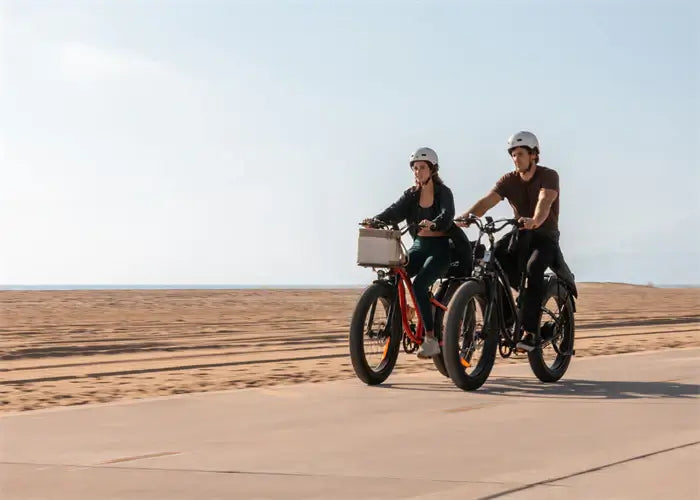
MoVcan e-bikes are designed to meet federal and state regulations, allowing legal riding on roads, bike lanes, and most trails—but knowing your local laws is essential for safe, compliant adventures.
Can You Fly with an E-Bike Battery? Your Complete Air Travel Guide
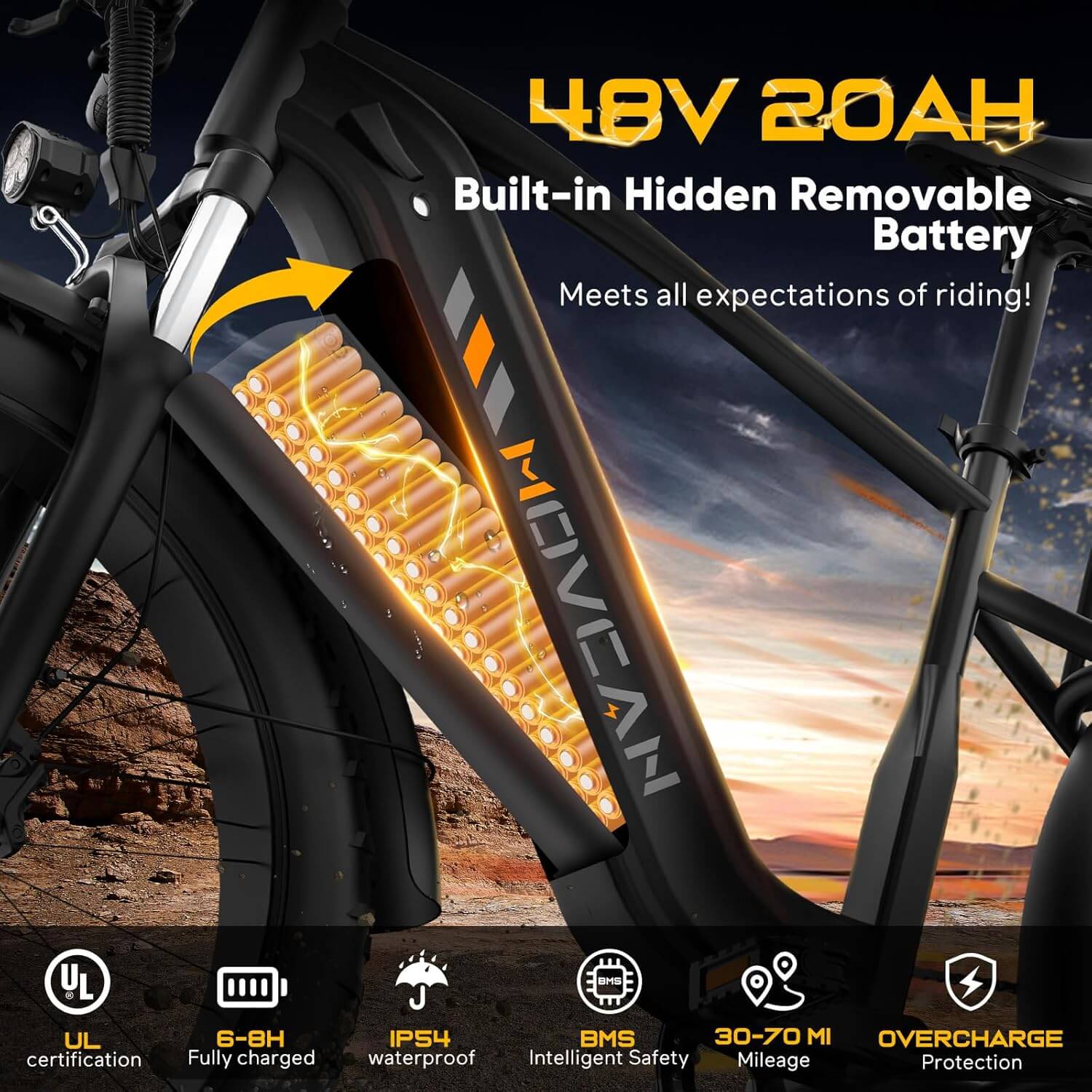
Planning to travel with your MoVcan e-bike? Understanding airline regulations for lithium-ion batteries is crucial for ensuring smooth air travel. With increasing safety concerns about battery fires aboard aircraft, airlines have implemented strict policies that directly impact e-bike travelers. This comprehensive guide examines current airline regulations, analyzes MoVcan battery specifications, and provides practical solutions for traveling with your electric bike.
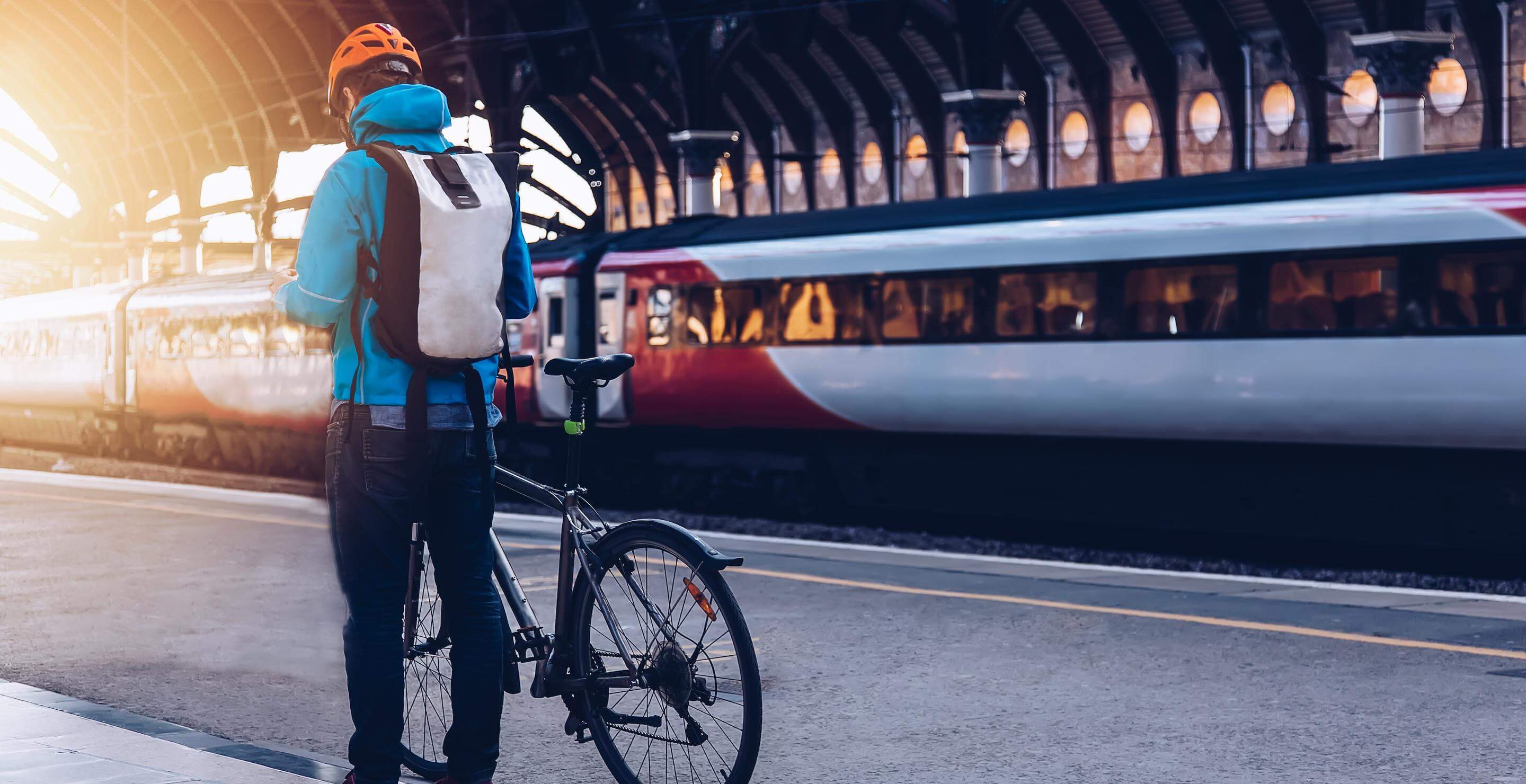
Can You Take E-Bikes on Trains? Your Complete Guide to Public Transport
The dream of combining the efficiency of train travel with the freedom of e-biking is becoming reality for more riders every day. Whether you're planning a weekend adventure, commuting to work, or embarking on a multi-city cycling tour, understanding how to navigate public transport policies with your MoVcan e-bike is essential for seamless multimodal travel.

Can You Ride E-Bikes in National Parks? Your Complete Park Regulations Guide
Yes, you absolutely can ride e-bikes in national parks! Since December 2020, the National Park Service has officially welcomed electric bicycles to America's most treasured landscapes. However, understanding the specific regulations and choosing the right e-bike for park exploration is crucial for an unforgettable adventure. MoVcan's diverse lineup offers several models perfectly suited for national park exploration, each designed to meet federal regulations while delivering the performance you need to explore these magnificent destinations.
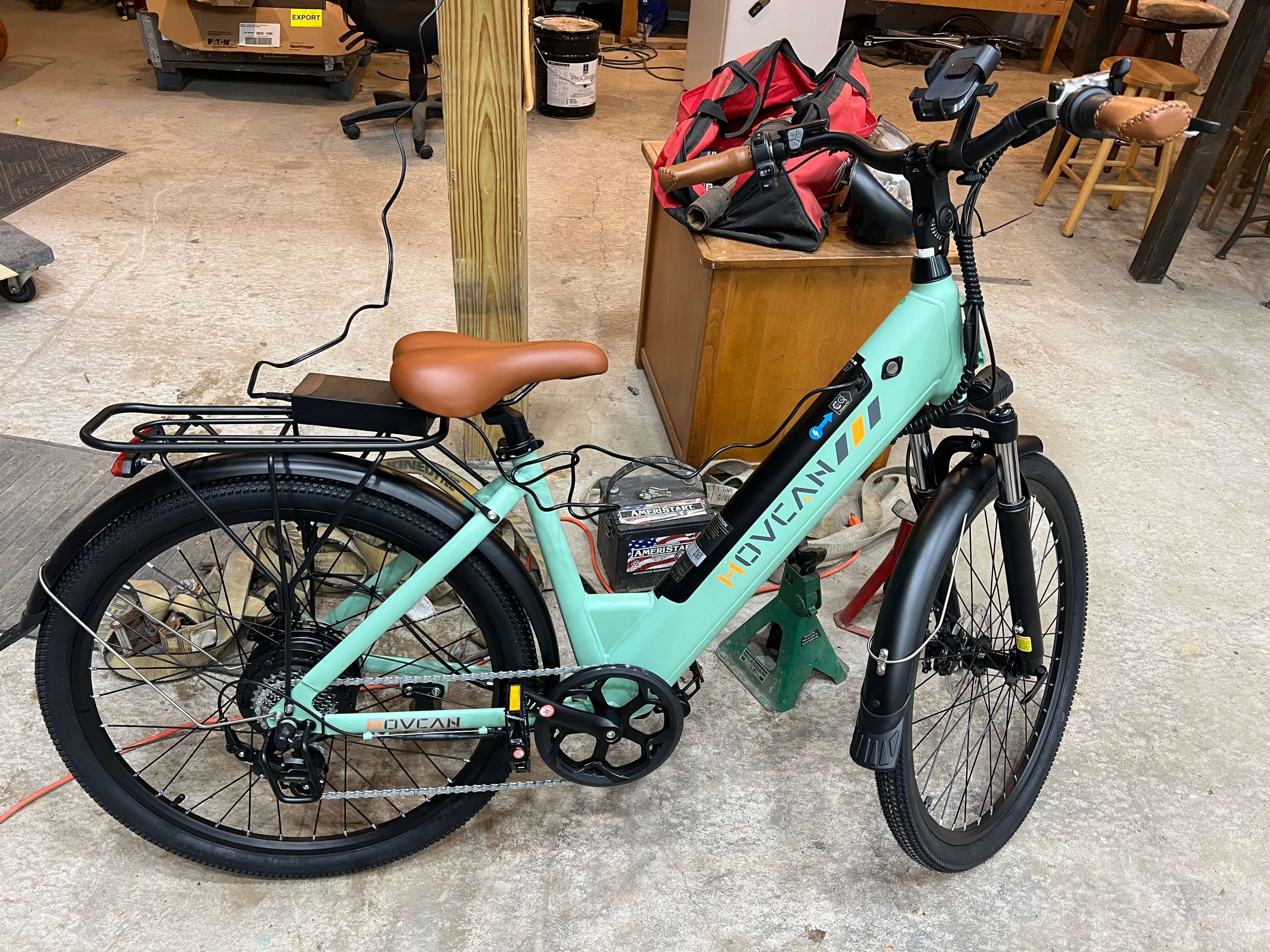
Global E-Bike Safety Standards Comparison: International Regulations Guide 2025
The electric bike industry has witnessed unprecedented growth, with e-bike sales increasing over 70% from 2020 to 2022. As this surge continues, understanding international e-bike safety standards becomes crucial for manufacturers, retailers, and consumers. This comprehensive guide explores the global e-bike safety comparison across major markets, highlighting key differences in e-bike regulations worldwide.
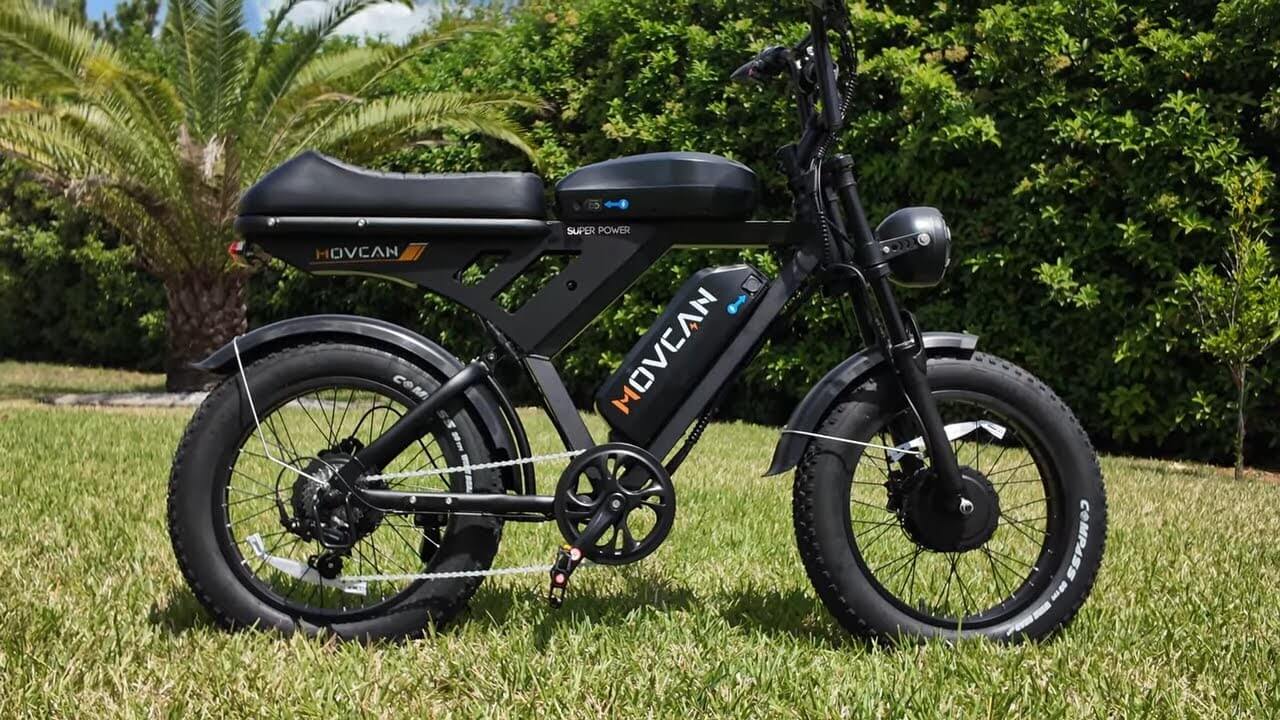
International E-Bike Laws Comparison: How Global Regulations Differ in 2025
E-bike regulations vary dramatically worldwide, from Europe's unified 250W/25km/h standards to Asia's strict registration requirements and North America's three-class system. Understanding these differences is crucial for international travelers, manufacturers, and anyone considering cross-border e-bike purchases.
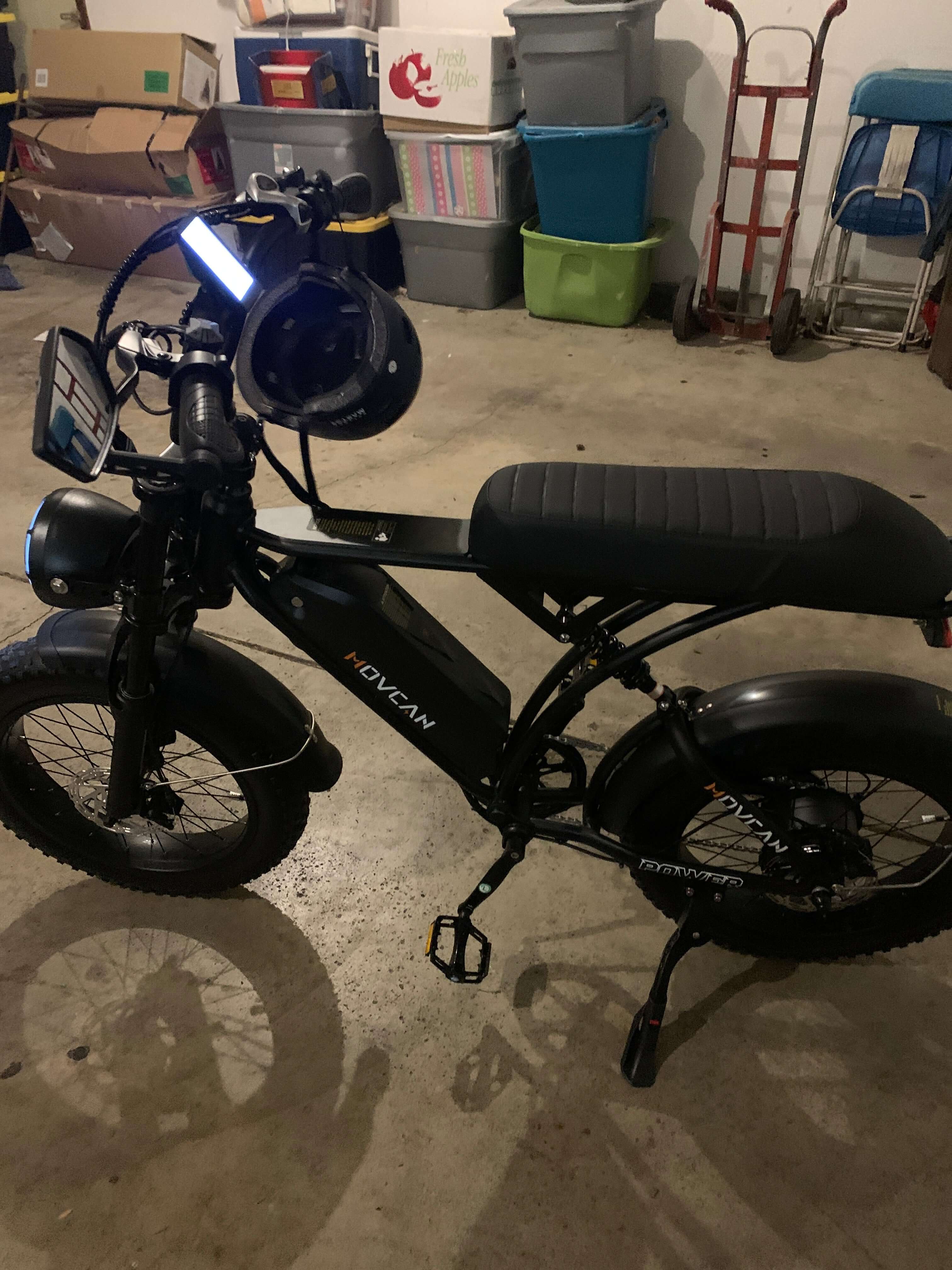
E-Bike Age Restrictions and Helmet Laws
E-bike age restrictions and helmet laws vary significantly by state and bike class in 2025. Most states require riders to be at least 16 years old for Class 3 e-bikes (28 mph), while Class 1 and 2 e-bikes typically have no minimum age. Helmet requirements range from universal mandates for all ages to specific rules for minors, with Class 3 e-bikes having the strictest safety requirements.
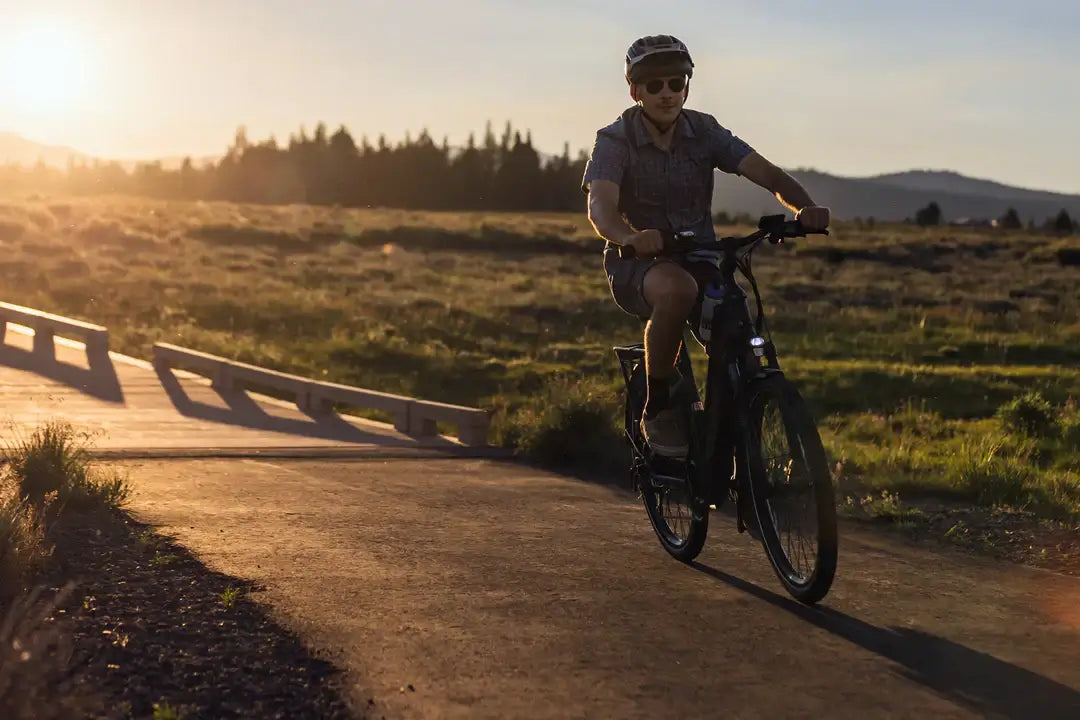
E-Bike Licensing Requirements: Debate Reshaping Urban Mobility
Cities across America are divided on e-bike licensing requirements. While most states treat e-bikes like traditional bicycles, mounting safety concerns and rapid adoption are pushing some municipalities toward registration and licensing systems. Understanding these evolving regulations is crucial for current and prospective e-bike riders.

Complete State-by-State E-Bike Regulations Guide 2025
Understanding e-bike laws by state is crucial for safe and legal riding across America. With 44 states establishing various definitions for e-bikes and significant 2025 updates changing regulations, navigating the complex patchwork of state e-bike regulations has become more important than ever for riders, manufacturers, and retailers.
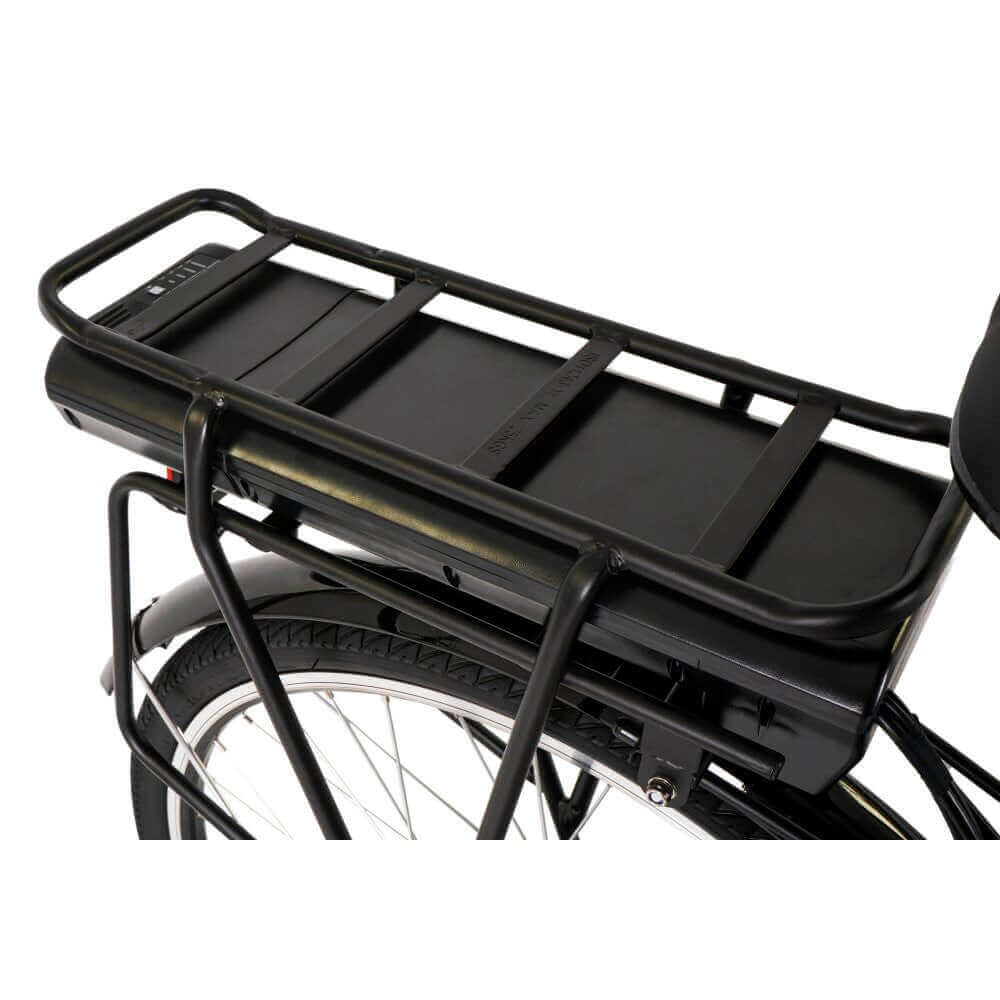
E-Bike Battery Safety Revolution: 2026 Certification Requirements
The e-bike industry is undergoing a critical safety transformation as battery certification requirements become mandatory by 2026. With New York City alone experiencing 318 fires, 226 injuries and 10 deaths during 2021 and 2022 from lithium-ion battery incidents, regulatory authorities worldwide are implementing comprehensive safety standards to protect consumers and preserve the growing e-mobility market.

California's 2025 E-Bike Law Revolution: SB 1271 Changes Everything
California's e-bike landscape transformed dramatically on January 1, 2025, when Senate Bill 1271 (SB 1271) took effect, introducing the most comprehensive e-bike regulatory overhaul in state history. With e-bike sales increasing over 70% from 2020 to 2022, these new laws aim to enhance safety, clarify classifications, and address the growing concerns around modified high-powered e-bikes.
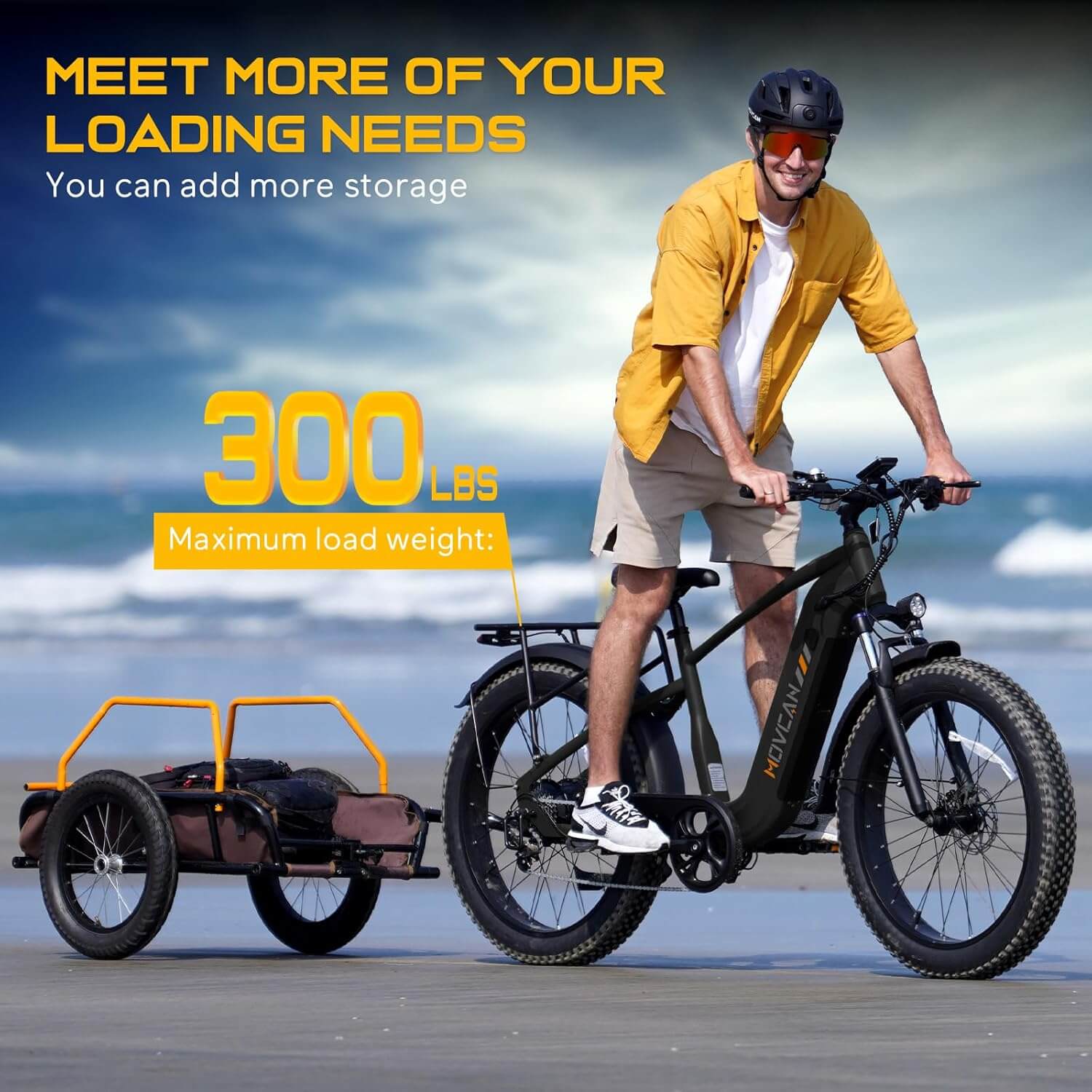
The Policy Revolution Driving Eco-Friendly Urban Mobility in 2025
Traffic restriction policies and low emission zones are accelerating e-bike adoption by 300% in major cities, creating immediate environmental benefits including 1.8 million tons of CO2 reduction annually and positioning electric bicycles as the cornerstone of sustainable urban transportation policy.