

Blog
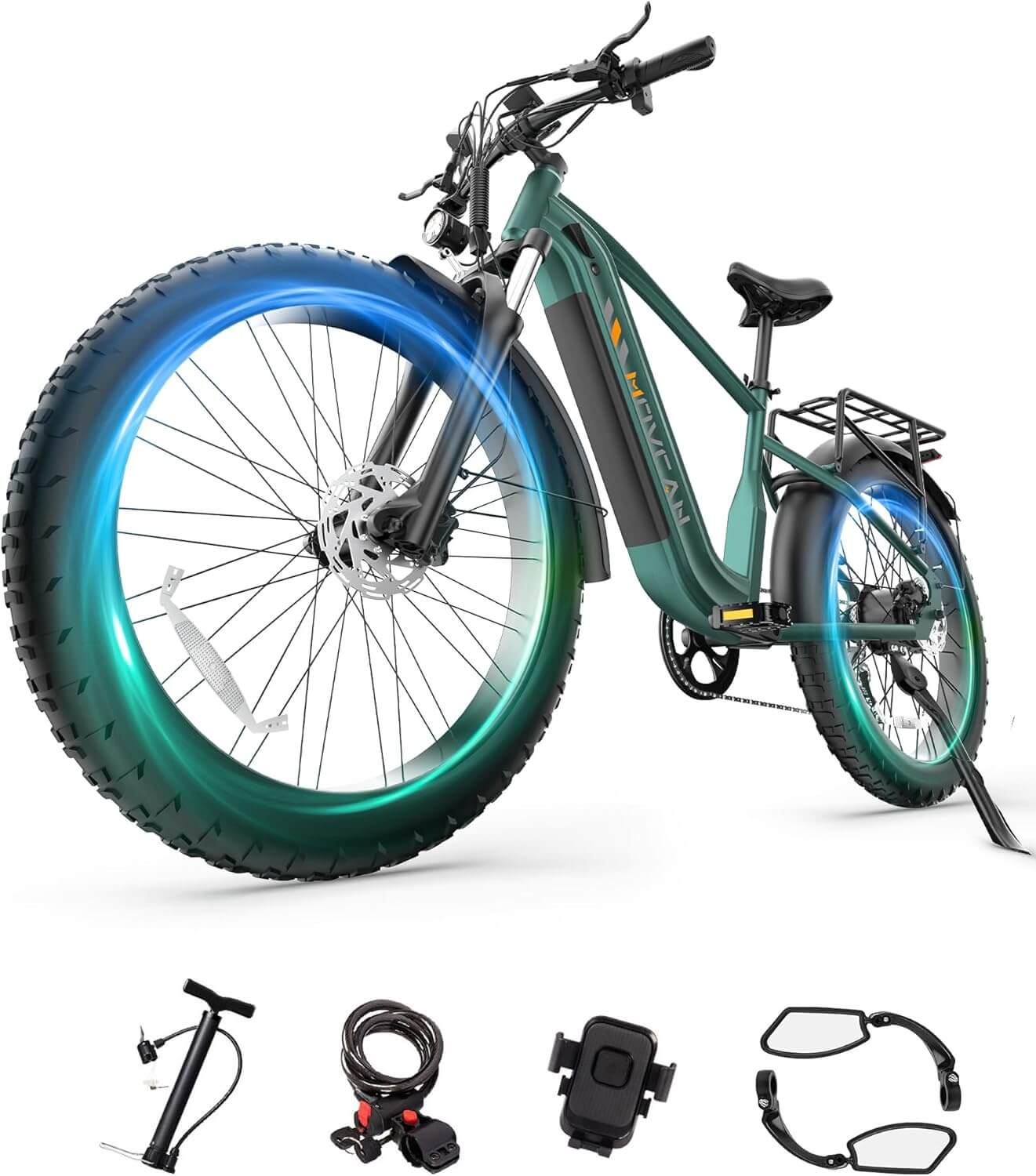
The Lightweight E-Bike Revolution: Why Under-20kg Models Are Changing Everything
The e-bike industry is experiencing a groundbreaking transformation in 2025, with manufacturers pivoting toward lightweight electric bikes that weigh under 20kg (44lbs). This shift represents more than just a weight reduction—it's a complete reimagining of what electric mobility can be.

The Policy Revolution Driving Eco-Friendly Urban Mobility in 2025
Traffic restriction policies and low emission zones are accelerating e-bike adoption by 300% in major cities, creating immediate environmental benefits including 1.8 million tons of CO2 reduction annually and positioning electric bicycles as the cornerstone of sustainable urban transportation policy.
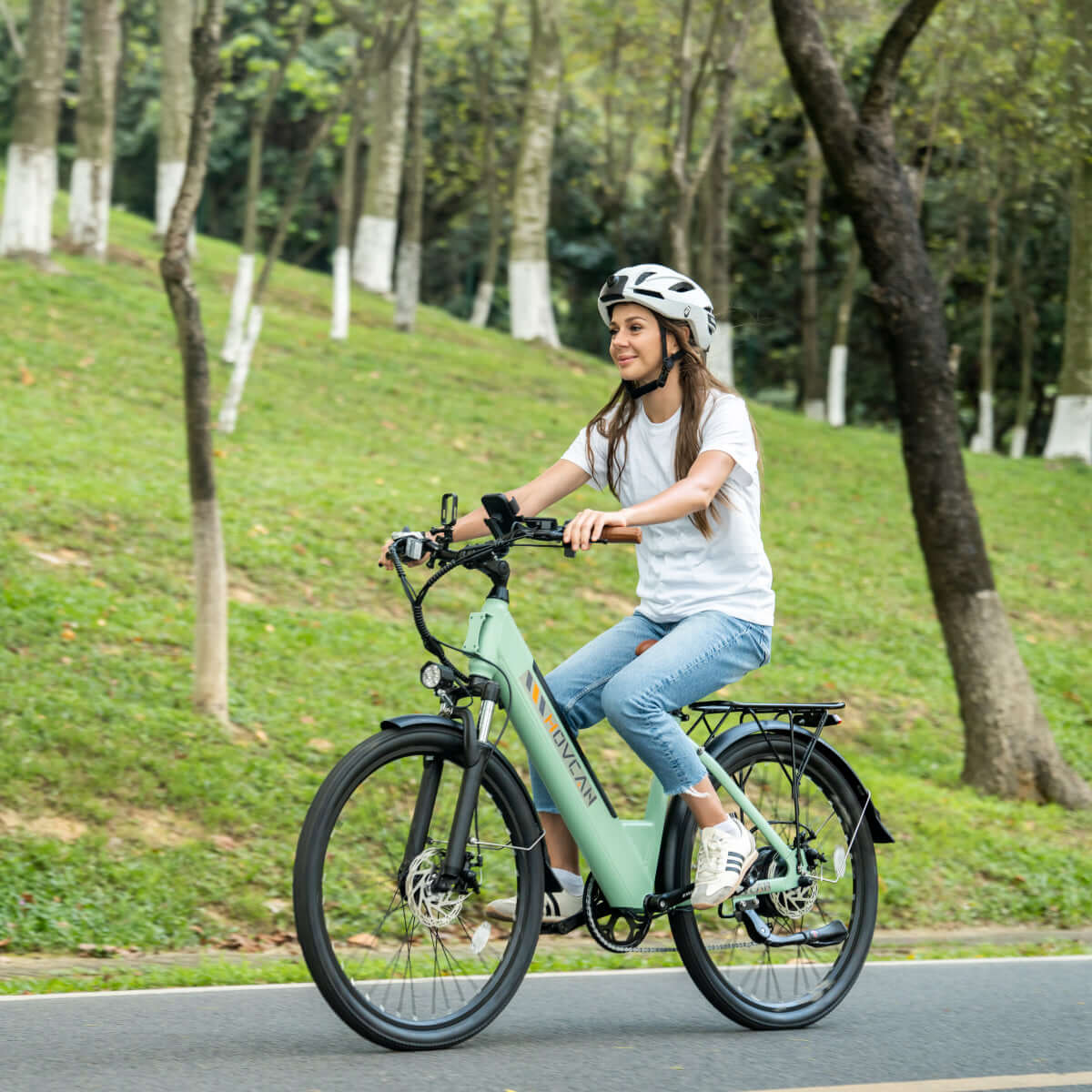
How Bio-Based Composites Are Transforming Electric Bicycle Manufacturing
Bio-based composite materials like bamboo and flax fiber are revolutionizing e-bike manufacturing, reducing carbon footprints by up to 60%, offering superior vibration damping, and creating fully recyclable bicycles that challenge traditional aluminum and carbon fiber dominance.
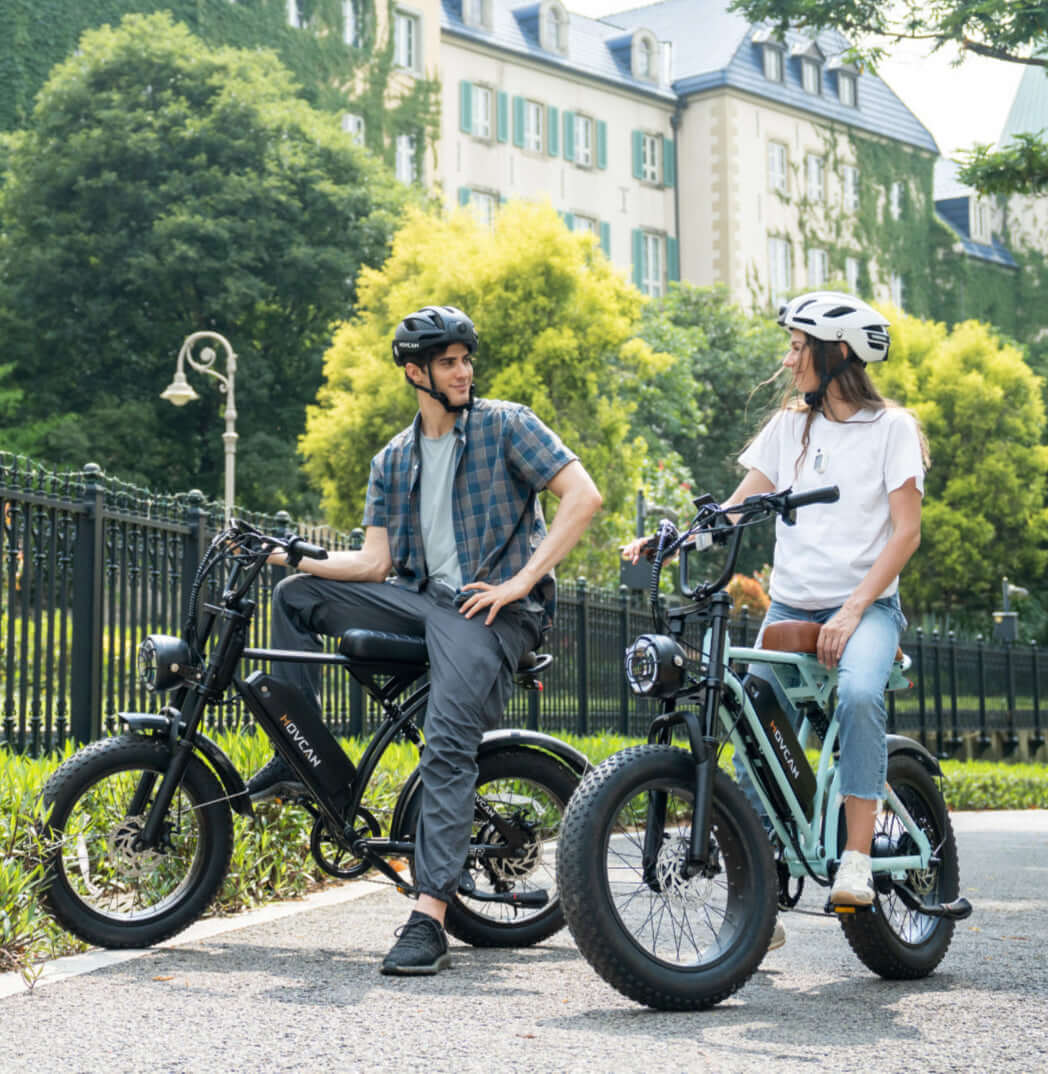
How AI is Revolutionizing Electric Bicycle Energy Efficiency
AI-powered electric bicycles are transforming urban mobility by optimizing energy consumption up to 20%, reducing carbon emissions by 90% compared to cars, and delivering personalized route planning that extends battery life beyond 100 miles per charge.
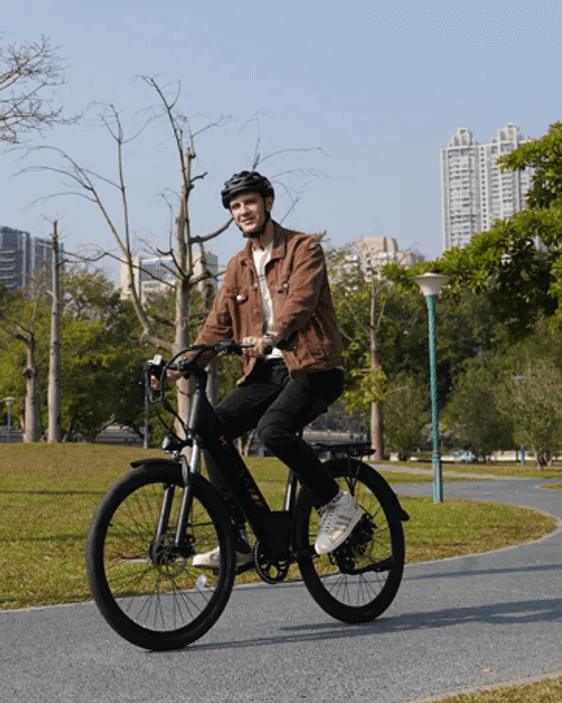
Hydrogen Fuel Cell Electric Bicycles: A New Frontier in Zero Emission Technology
As the world races toward zero-emission transportation, a new technology is quietly emerging in the electric bicycle industry that could revolutionize how we think about sustainable mobility. Hydrogen fuel cell electric bicycles (HFCEBs) represent a fascinating convergence of cutting-edge technology and practical urban transportation, offering unique advantages that traditional battery-powered e-bikes cannot match.

Forest-Friendly Cycling: the Impact of Electric Mountain Bikes on Ecosystems
As electric mountain bikes (eMTBs) surge in popularity across the globe, with trail networks now spanning 283,020 miles across 109 countries, a critical question emerges: How do these powerful machines impact the delicate ecosystems they traverse? The answer is complex, nuanced, and increasingly important as we balance outdoor recreation with environmental conservation.
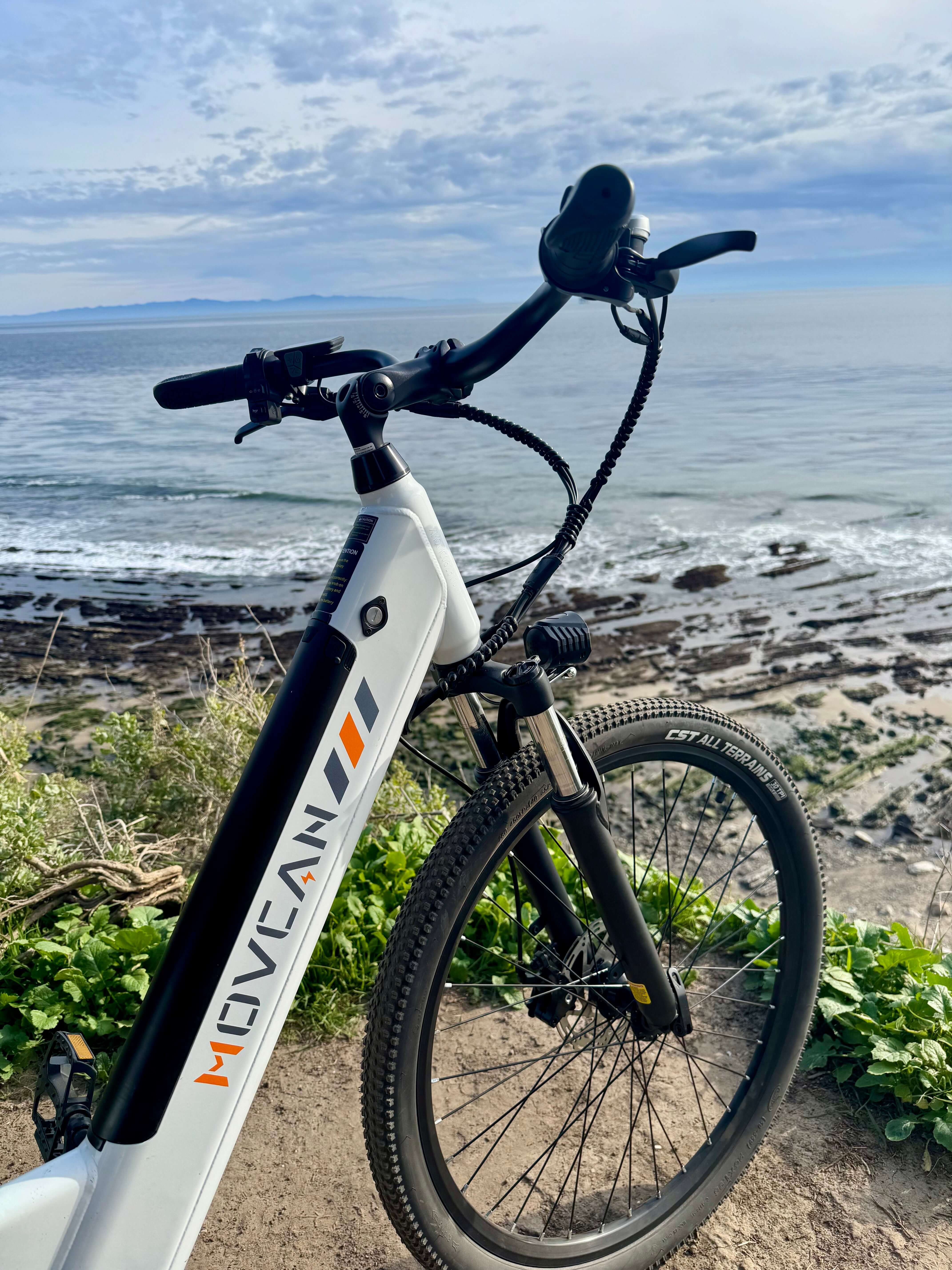
Noise Pollution Control: How Electric Bikes Can Create a Quiet Urban Environment
In the cacophony of modern urban life, where honking horns, rumbling engines, and screeching brakes create an endless symphony of stress, a quiet revolution is taking place. Electric bikes are emerging not just as an eco-friendly transportation alternative, but as a powerful tool in the fight against one of our most overlooked environmental threats: noise pollution.
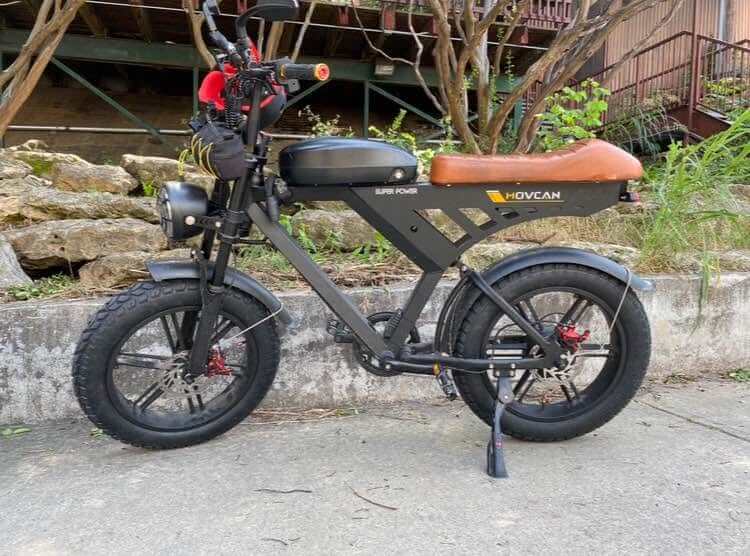
E-bike Maintenance: Essential E-bike Maintenance Tips for Longevity
In 2025, with the global e-bike market projected to reach $54.7 billion and growing at 8.5% annually, proper maintenance has never been more crucial. Whether you're a daily commuter logging hundreds of miles or a weekend warrior exploring new trails, understanding how to maintain your electric bike is essential for protecting your investment and ensuring years of reliable performance.
MoVcan's Winter Riding Guide: Winter E-bike Maintenance Essentials
Winter doesn't mean parking your electric bike until spring. With proper maintenance and preparation, your e-bike can be your reliable companion through snow, sleet, and freezing temperatures. As batteries don't perform as well in extreme cold, understanding how to care for your e-bike during winter months is crucial for maintaining performance and extending its lifespan.
The Environmental Cost of Lithium Batteries
While e-bikes represent a sustainable transportation solution, lithium battery production carries significant environmental and social costs—from water depletion in Chile's Atacama Desert to child labor in Congo's cobalt mines. However, emerging technologies and industry responses are paving the way for more responsible sourcing by 2025.
Trash to Treasure: A Guide to Recycling E-Bike Components
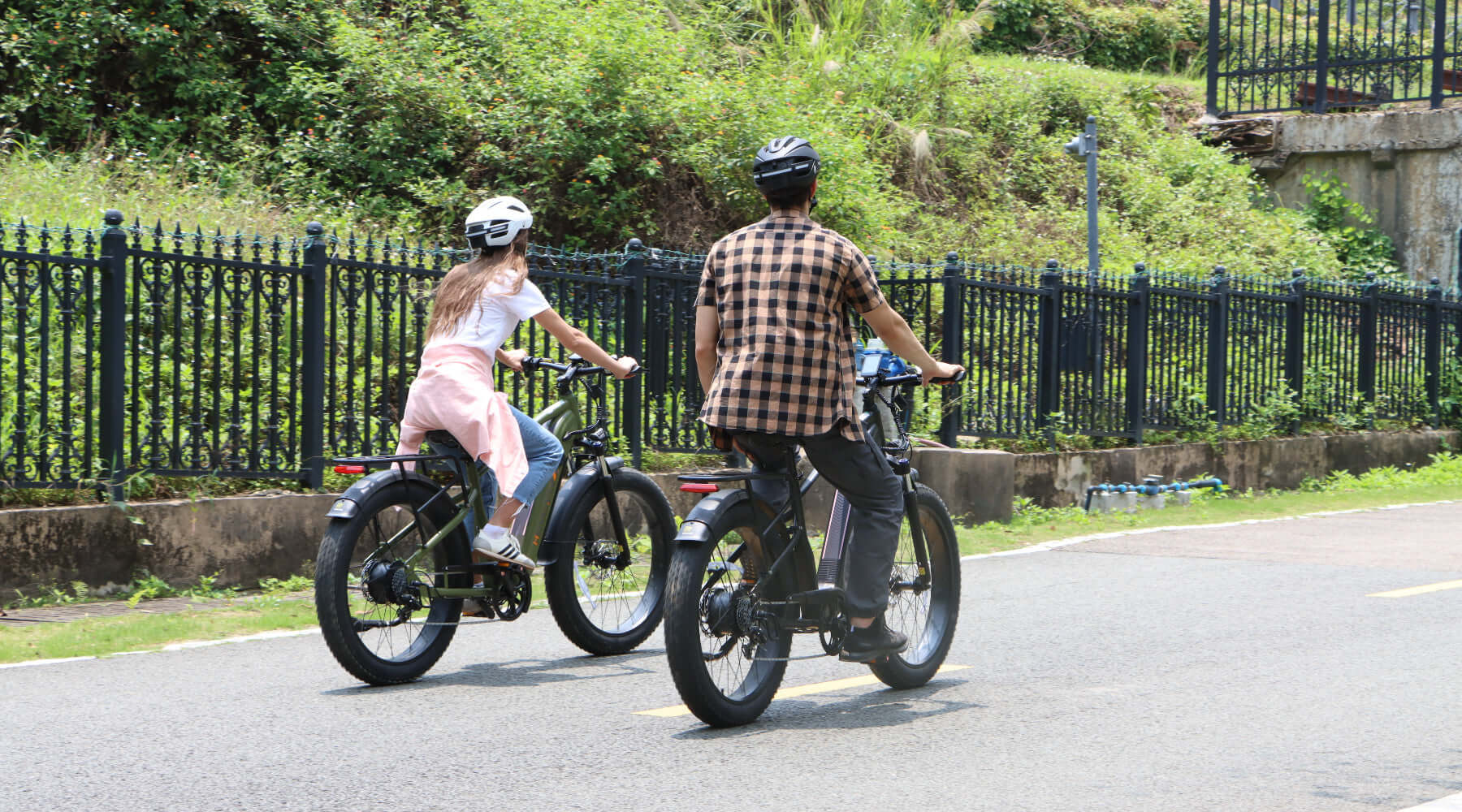
The e-bike recycling industry is transforming from waste management to a $23+ billion circular economy opportunity by 2025, with innovative business models turning discarded batteries, motors, and frames into valuable resources while creating sustainable transportation solutions.

The Second Life of Electric Bikes: Innovative Recycling and Reuse Models
As the electric bike market explodes—with projections showing growth from USD 54.7 billion in 2025 to USD 124.6 billion by 2035—we're facing an unprecedented opportunity to revolutionize how we handle end-of-life e-bikes. The circular economy isn't just a buzzword anymore; it's becoming the blueprint for sustainable e-mobility.
Electric Bicycles vs. Cars: A Comprehensive Lifecycle Carbon Footprint Analysis
This comprehensive analysis examines the environmental impact of electric bicycles, traditional gasoline cars, and electric vehicles from manufacturing through disposal, providing you with the data needed to make informed decisions about sustainable transportation.
Cadence Sensor vs Torque Sensor: Choosing the Right Pedal Assist Technology
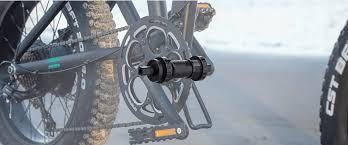
Electric bikes render urban transport more sustainable because they unite bicycle advantages with automated power capabilities. The pedal assist system stands as the primary performance component within any e-bike because it decides how power distribution unfolds during cycling. The market contains two dominant sensor types which include torque sensors along with cadence sensors. Riding experience depends on these essential components that determine both energy consumption from the battery and e-bike comfort during use.
Quantum Computing and E-Bike Design: A New Frontier in Simulation Optimization
The electric bike industry is experiencing a revolutionary transformation as we move into 2025, with quantum computing emerging as a game-changing technology that's reshaping how e-bikes are designed, tested, and optimized. At MoVcan, we're at the forefront of this technological convergence, bringing you the latest innovations that make your riding experience smarter, lighter, and more efficient than ever before.